
Experiential Marketing Ideas for Events That Give Attendees a Reason to Engage
A great-looking booth can catch someone's eye, but what makes them stop and take part? The best event branding ideas give visitors something useful or fun to do, whether it's trying a product, joining a quick challenge, or watching a live demonstration. These activities help your business stand out at crowded events, start conversations, and attract potential customers.
In this guide, you'll find seven practical experiential marketing ideas for trade shows, product launches, and corporate events. You'll also learn how to choose activities for your audience, use branded displays to support them, and measure what worked. The goal is simple: turn passing visitors into interested customers without making your booth complicated or expensive.
Why Event Branding Needs More Than an Attractive Booth
An attractive booth may catch someone's eye, but a hands-on activity can get them to stay. For example, a kitchen equipment company could display its latest blender or show visitors how it works by making fresh smoothies. The second option lets people see the product in action and ask questions. Clear signs help visitors understand what your business offers. A useful activity gives them a reason to talk with your team. Well-planned trade show booth displays can also help organize the space and make your brand easier to recognize.
7 Event Branding Ideas That Get Visitors Involved
These experiential marketing ideas work for trade shows, corporate events, product launches, and outdoor promotions.
1. Let Visitors Try Your Products
Give attendees a chance to test your products instead of just reading about them.
A technology company could offer a short software trial. A fitness brand could let visitors try a piece of equipment.
Keep instructions simple so people can join without waiting for a staff member to explain everything.
2. Use Games That Connect to Your Brand
Quick quizzes, guessing games, and timed challenges can bring people to your booth.
For example, a workplace safety company could ask visitors to spot hazards in a sample setup.
Choose games that teach people something about your products. That way, the activity starts a useful conversation instead of only attracting prize hunters.
3. Create Branded Photo Opportunities
Set up a photo area with a branded backdrop, a simple theme, and a few props. A travel company could create a vacation-themed photo station where visitors take pictures and share them online. Keep your logo visible without covering the entire background. Leave enough room for photos without blocking the aisle.
4. Host Short Live Demonstrations
Show people how your product solves a problem they face. A software company could demonstrate a feature that saves time. A home improvement brand could show how to use a tool correctly. Schedule short presentations throughout the event and display the times where visitors can see them. Leave a few minutes for questions afterward.
5. Ask Visitors to Share Their Opinions
A voting board or quick poll gives people an easy way to join an activity. For example, a packaging company could show two designs and ask visitors to choose their favorite. Display the results as votes come in. This gives other attendees something to look at and can help start conversations about your products.
6. Offer Something Personalized
Let visitors choose, customize, or try something based on their interests. A skincare company could suggest products based on customer preferences. A promotional merchandise supplier could let attendees select a design for a small item. Keep the process short and give visitors something useful to take home.
7. Set Up Product Sampling Stations
Let people try your products before deciding whether to buy. A beverage company could offer two flavors and ask visitors which one they prefer. Use a clean counter and branded table covers to keep the sampling area neat and easy to recognize. Check event rules for food handling, samples, and waste disposal before setting up.
Match Your Event Branding Ideas to Your Audience
The right activity depends on who will attend and what your business wants to achieve. A quick game may work well at a public festival, while a product demonstration may bring better results at an industry trade show.
|
Event Type |
Activity |
Main Goal |
|
Trade shows |
Product demonstrations |
Find potential customers |
|
Corporate events |
Quick polls and quizzes |
Get attendees involved |
|
Product launches |
Hands-on product trials |
Show new features |
|
Outdoor promotions |
Sampling stations |
Let people try products |
|
Industry exhibitions |
Expert demonstrations |
Answer buyer questions |
Think about how much time visitors can spend at your booth. Choose short activities for busy events and longer demonstrations when attendees have more time.
Use Branded Event Displays to Organize Your Booth
Visitors should be able to see what's happening at your booth and understand how to join.
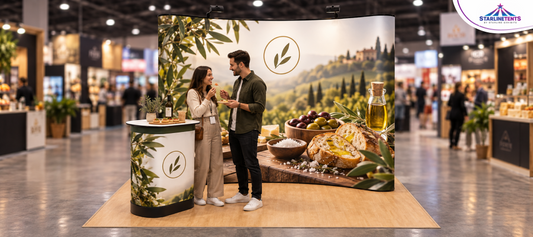
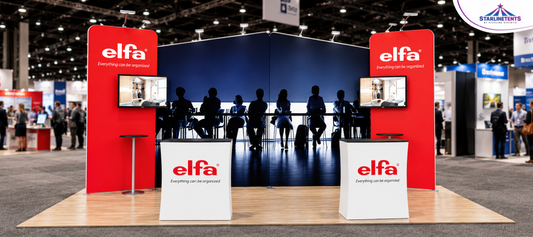
Branded event displays help people recognize your company. Backdrops show your name and main message, while custom trade show counters give staff a place to demonstrate products.
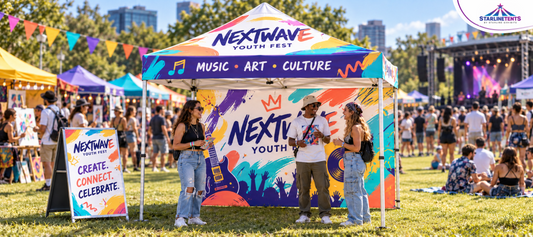
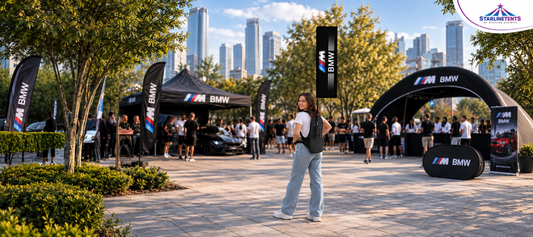
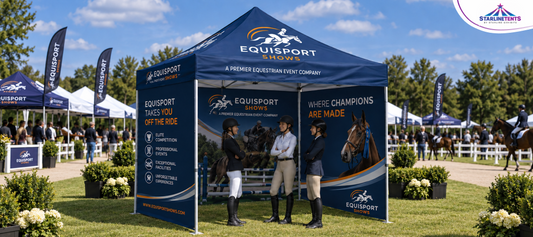
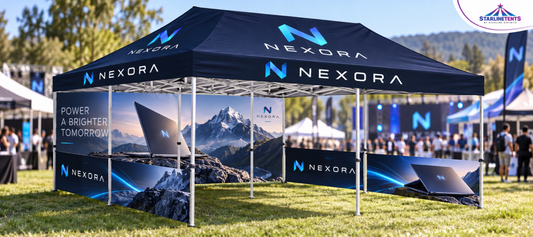
Branded table covers can also help sampling stations, registration desks, and product tables look coordinated. For outdoor events, a custom canopy tent can provide a separate area for demonstrations and promotions.
Before the event, check these details:
-
Space: Leave room for visitors to enter, move around, and leave.
-
Staff: Have enough people to run activities and answer questions.
-
Signs: Make instructions easy to read from the aisle.
-
Equipment: Test screens, lights, and demonstration products.
-
Layout: Keep waiting lines away from entrances and nearby booths.
A clear layout makes activities easier to manage, especially when the event gets busy.
How Do You Measure Attendee Engagement?
A crowd around your booth doesn't always mean you're finding potential customers.
Track what visitors do during and after the activity.
-
Count how many people join.
-
Record product questions and qualified leads.
-
Track meeting requests and demonstration bookings.
-
Collect comments about your products.
-
Check how many interested visitors respond after the event.
Compare these results with your marketing goals. This will help you decide which activities to repeat at future events.
Common Mistakes That Reduce Participation
To keep visitors interested and encourage them to take part in your activities, avoid these common event branding mistakes that many businesses make.
-
Visitors may walk away if they need a long explanation. Keep the rules short.
-
Free gifts can attract people who aren't interested in your products. Choose rewards that fit your business.
-
Too many tables or displays can block visitors. Keep the entrance open.
-
Make sure someone can run the activity while others answer questions.
-
Contact interested visitors after the event and answer the questions they raised at your booth.
Turn Event Engagement Into Lasting Brand Connections
Good event branding ideas help people notice your business, try your products, and talk with your team.
Choose activities that fit your audience and give visitors something useful to do. Keep your booth easy to navigate and your message clear.
Starline Tents offers branded display products, including backdrops, table covers, and event tents, to help businesses set up organized booths for trade shows and promotional events.
FAQs
What are some low-cost event branding ideas for small businesses?
Try product demonstrations, quick quizzes, voting boards, or simple challenges. You can run many of these activities with a table, printed signs, and a few supplies.
How can I attract visitors to my booth without free gifts?
Give people something useful to try or learn. A short product test, live demonstration, or expert advice session can attract visitors who are interested in what you sell.
How much space do I need for an interactive trade show booth?
A small product demonstration may fit inside a 10×10 booth. Photo stations and group activities usually need more space. Leave enough room for visitors, staff, equipment, and walkways.
How long should an event activity last?
A quick game or product test may take two to three minutes. A detailed demonstration could take five to ten minutes. Choose a length that fits your event and the time visitors have available.
How can I tell if an activity brings potential customers?
Look at more than the number of people who join. Track product questions, qualified leads, meeting requests, and replies after the event. These results can show whether the activity attracted people interested in your business.
Tags: